Evidence-based guides for your hormone journey.
In-depth, research-backed guides on testosterone replacement therapy, hormone optimization, and everything you need to know before and during treatment.

Average age of TRT patients: 40-65
Testosterone Therapy 101
A complete introduction to testosterone replacement therapy — what it is, how it works, and who it's for. Covers delivery methods, cost, insurance, timelines, and how to talk to your doctor about starting treatment.
What You'll Learn
- Low testosterone symptoms and diagnosis criteria
- Injections vs gel vs pellets vs patches compared
- TRT cost, insurance coverage, and how to get prescribed
8 in-depth articles in this series

12+ biomarkers to track on TRT
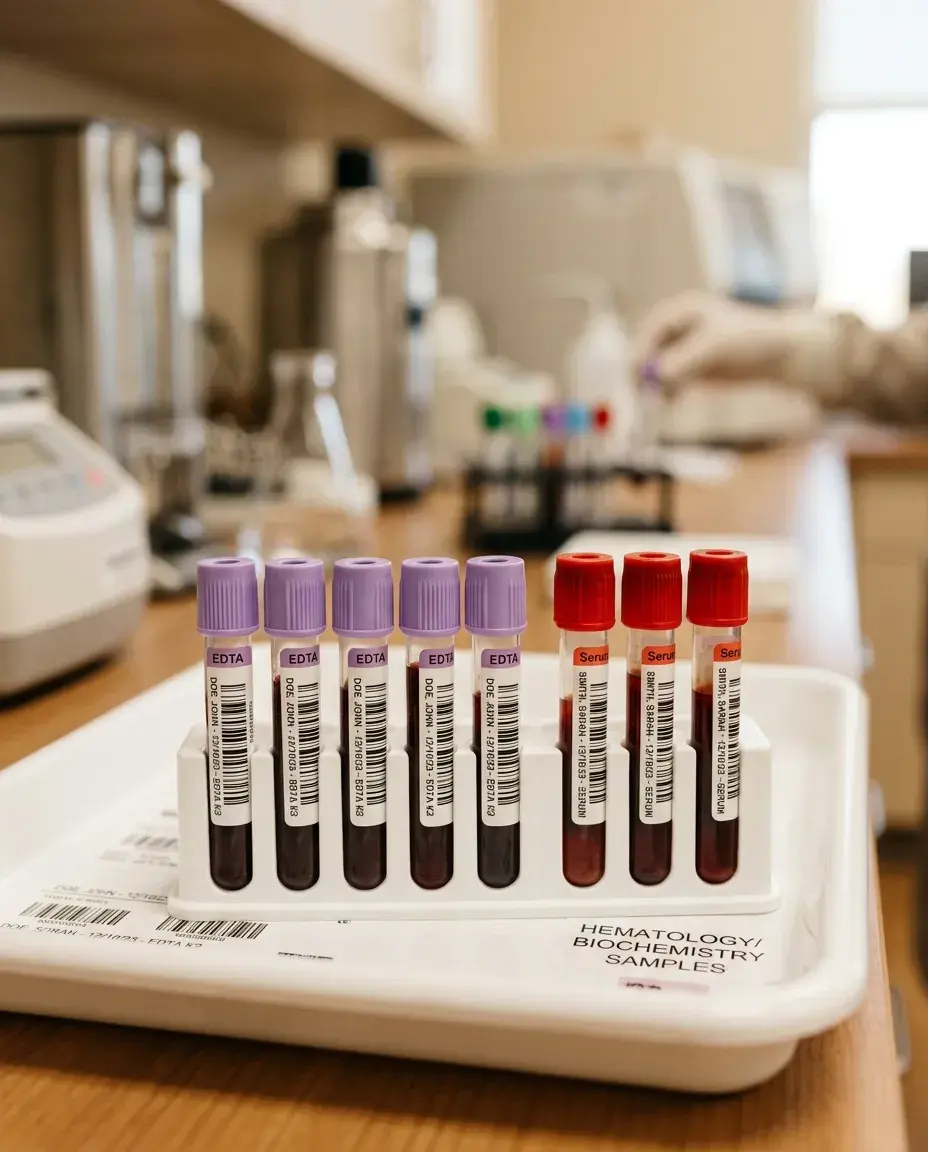
Blood Work & Lab Guide
Blood work is the foundation of safe, effective TRT. Every lab marker you need before starting therapy, how to interpret your results, and how often to retest once you're on protocol.
What You'll Learn
- Total vs free testosterone — which numbers matter
- Estradiol, hematocrit, and SHBG explained
- Pre-TRT panel breakdown and monitoring schedule
8 in-depth articles in this series
Most side effects are manageable with proper monitoring
TRT Side Effects & Management
Every treatment has trade-offs. Common and rare side effects of TRT, how to recognize them early, and the protocol adjustments that keep them in check.
What You'll Learn
- Estrogen management and aromatase inhibitors
- Hematocrit, cardiovascular risk, and the TRAVERSE trial
- Fertility preservation with HCG on TRT
8 in-depth articles in this series

Telemedicine TRT clinics have grown 300% since 2020
Finding a TRT Provider
Not all TRT providers are created equal. Compare urologists, endocrinologists, men's health clinics, and telemedicine platforms to make an informed choice.
What You'll Learn
- Online TRT clinics vs local doctors compared
- Questions to ask and red flags to avoid
- What to expect at your first TRT appointment
5 in-depth articles in this series
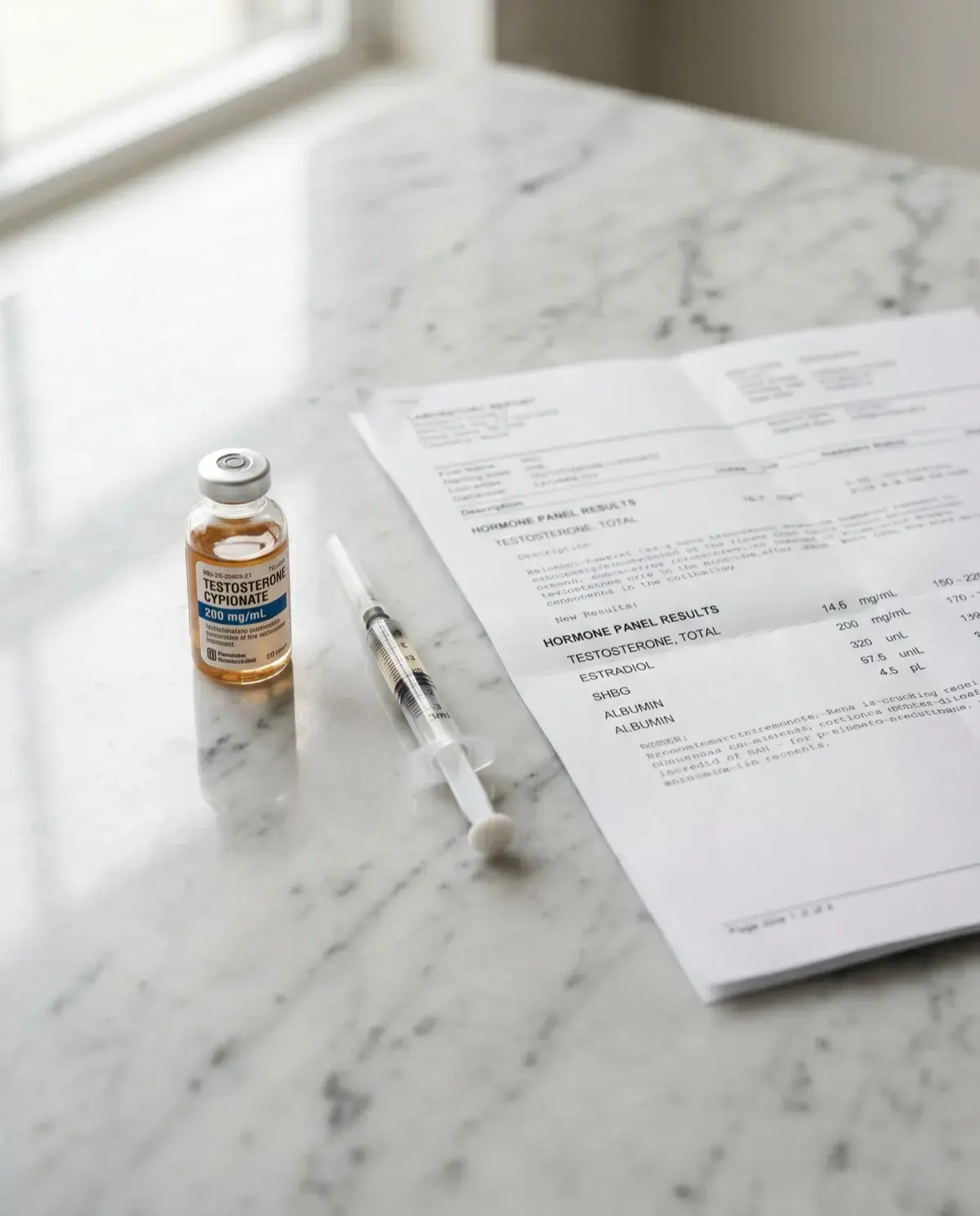
Testosterone levels decline ~1% per year after age 30
Natural Testosterone Optimization
Evidence-based lifestyle, nutrition, sleep, and supplement strategies that support healthy testosterone production — whether you're on TRT or optimizing naturally.
What You'll Learn
- Sleep, exercise, and diet strategies backed by research
- Supplement evidence review: what works, what doesn't
- When natural optimization isn't enough to start TRT
6 in-depth articles in this series
Guide FAQs
Is TRT the same as steroids?
TRT and anabolic steroids both involve testosterone, but they differ in intent, dosage, and medical oversight. TRT uses physiological doses to restore testosterone to normal levels under medical supervision. Anabolic steroid use typically involves supraphysiological doses — often 2-10x higher than TRT — without medical monitoring. TRT is a legitimate medical treatment for diagnosed hypogonadism; steroid abuse is unsupervised use for performance or aesthetic goals.
Can I do TRT through telemedicine?
Yes. Telemedicine TRT clinics have become increasingly common and are legal in most US states. These clinics typically handle lab orders, video consultations, prescriptions, and medication shipping remotely. The quality varies widely — look for clinics that require comprehensive blood work, assign you a dedicated provider, and include ongoing monitoring. Avoid any service that prescribes TRT without labs.
How much does TRT typically cost?
TRT costs vary widely depending on the delivery method and provider type. Testosterone cypionate injections (the most common protocol) run $30-80/month for the medication alone through a pharmacy. Telemedicine clinics typically charge $100-250/month including medication, labs, and provider access. Gels and patches tend to be more expensive at $200-500/month. Insurance may cover TRT if you have a documented diagnosis of hypogonadism.
Will insurance cover TRT?
Many insurance plans cover TRT when prescribed for a documented diagnosis of hypogonadism (ICD-10 code E29.1). Coverage typically requires two morning blood draws showing low testosterone levels (usually below 300 ng/dL) along with clinical symptoms. Injectable testosterone is most commonly covered; gels and patches may require prior authorization. Coverage for labs and follow-up visits varies by plan. Check with your insurance provider for specifics.
Get TRT insights weekly
Subscribe