Your questions about TRT, answered.
Evidence-based answers to the most common questions about testosterone replacement therapy, hormone optimization, and men's health.
Explore by category

Frequently asked questions
Can't find the answer? Check our comprehensive guides for in-depth coverage of every TRT topic.
Browse All GuidesWhat is testosterone replacement therapy (TRT)?
Testosterone replacement therapy (TRT) is a medical treatment that restores testosterone levels in men whose bodies don't produce enough on their own. It's prescribed for clinically diagnosed low testosterone (hypogonadism) and can be administered via injections, topical gels, patches, or subcutaneous pellets. TRT aims to bring testosterone into a healthy physiological range to relieve symptoms like fatigue, low libido, brain fog, and loss of muscle mass.
What are the common side effects of TRT?
Common side effects include acne or oily skin, increased hematocrit (thicker blood), water retention, and changes in mood or libido during dose adjustments. Some men experience hair thinning if genetically predisposed to androgenic alopecia. Elevated estradiol from testosterone aromatization can cause sensitivity or gynecomastia. Most side effects are dose-dependent and manageable with proper monitoring and protocol adjustments.
How do I know if I need TRT?
Symptoms of low testosterone include persistent fatigue, reduced libido, erectile dysfunction, brain fog, depression, loss of muscle mass, and increased body fat. If you're experiencing several of these symptoms, a blood test measuring total testosterone, free testosterone, and SHBG is the starting point. Most guidelines consider total testosterone below 300 ng/dL as low, though symptoms matter as much as numbers. A knowledgeable provider will evaluate both your labs and how you feel.
What blood work do I need before starting TRT?
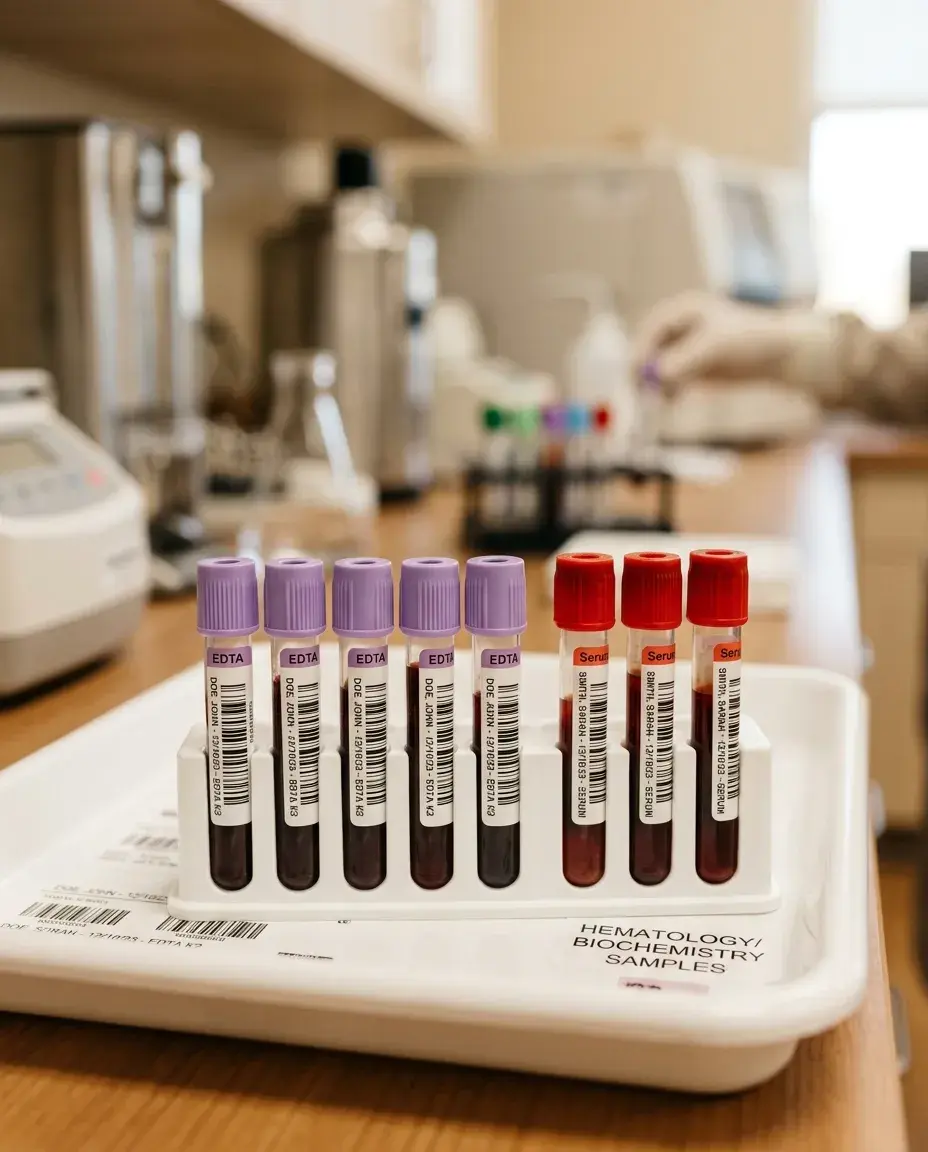
A comprehensive pre-TRT panel should include: total testosterone, free testosterone, SHBG, estradiol (sensitive), LH, FSH, complete blood count (CBC) with hematocrit, comprehensive metabolic panel, lipid panel, PSA (for men over 40), thyroid panel (TSH, free T3, free T4), and prolactin. These baselines help your provider rule out other causes of symptoms and establish reference points for monitoring once treatment begins.
How long does it take for TRT to work?
TRT effects follow a general timeline: improvements in energy, mood, and motivation typically appear within 2-4 weeks. Libido and sexual function often improve by weeks 3-6. Changes in body composition — increased muscle mass and reduced body fat — become noticeable around 3-6 months. Full benefits, including bone density improvements, can take 12-18 months. Individual results vary based on dosage, delivery method, and starting testosterone levels.
Get TRT insights weekly
Subscribe